
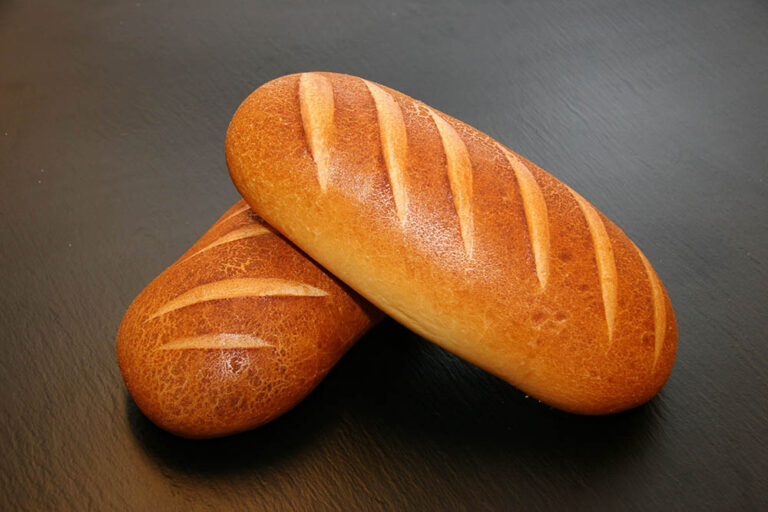
Bakery flavors contribute to the sensory experience of bread, cakes, biscuits, cookies and other baked products. They can reinforce desirable notes, compensate for some processing losses and support consistency between batches. Selection needs to consider both the target flavor and the production process.
Why does baking change the flavor profile?
Many aroma compounds are volatile and can be lost during baking. Heating also creates new sensory notes through reactions such as Maillard browning and caramelization. The flavor perceived in raw dough may therefore differ considerably from that of the finished product.
Consider the food matrix
Fat, sugar, protein, starch and water affect the retention and release of aroma compounds. The same flavor may show different intensities in a cake, bread or biscuit. Tests should use the actual formulation.
Bread and fermented products
Added flavors need to work with notes formed during fermentation and baking. Butter, milk, malt, cereal and toasted profiles may reinforce the intended character. Excessive intensity can hide desirable natural attributes.
Cakes, biscuits and cookies
Common profiles include vanilla, chocolate, butter, coconut, fruit, caramel, coffee and nuts. Evaluation should reproduce industrial baking temperature, time and the other relevant process conditions.
How should thermal stability be assessed?
Rather than relying only on a general claim of oven resistance, measure flavor retention under real processing conditions. Exposure time, moisture and dough composition all influence the result. Encapsulation may help protect selected compounds in suitable applications.
Liquid or powdered flavor?
Liquid flavors may offer convenient incorporation and dispersion. Powders can suit premixes and dry systems. Format alone does not determine stability: the flavor composition, carrier and interactions with the other ingredients also matter.
How much flavor should be used?
More flavor does not necessarily produce a better result. Excessive use can cause saturation, imbalance or unwanted notes. Use the supplier’s recommendation as a starting point and compare several concentrations in the finished product.
Evaluate the product throughout shelf life
A useful test reproduces mixing, fermentation where applicable, baking, cooling and packaging. Assess intensity, flavor identity, integration, persistence and residual notes after processing and during storage.
Understanding the relationship between flavor, ingredients and process supports more consistent bakery products. Contact Frutiflora to discuss the selection and application of flavor for your project.
Knowledge that turns into flavor.
Bakery flavors: how to choose and apply them
Bakery flavors contribute to the sensory experience of bread, cakes, biscuits, cookies and other baked products. They can reinforce desirable notes, compensate for some…
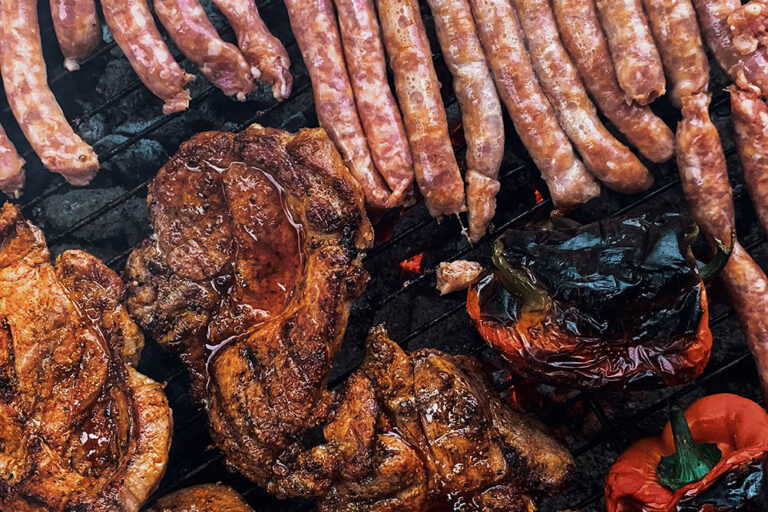
Natural food flavors and their contribution to formulations
Natural food flavors can reinforce sensory characteristics, harmonize a formulation and contribute to a balanced flavor experience. Their selection should consider the intended profile,…
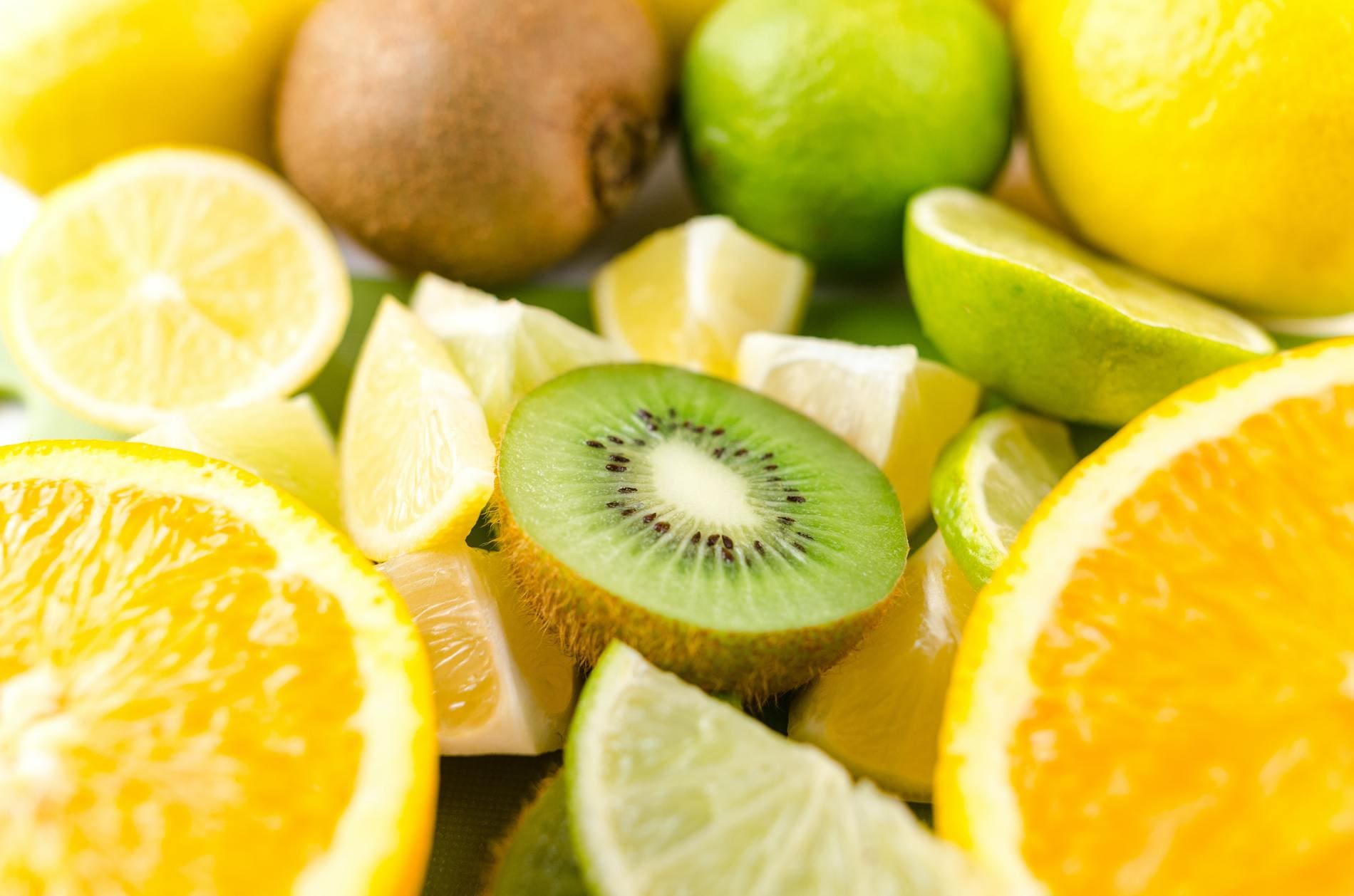
Controlled release technologies for food flavor and aroma
Flavor and aroma contribute to how consumers perceive food quality. Processing and storage can change the compounds responsible for these sensations. Controlled release systems…